The Physics of Vapour
How heat turns e-liquid into the cloud you exhale
Every puff is a small physics experiment. A coil heats a wick soaked in e-liquid, the liquid crosses its boiling point, and a fine aerosol forms in the airflow before condensing into the visible cloud you see. Getting that sequence right, especially in the UAE’s dry, hot climate, is the difference between a smooth, flavourful draw and a burnt, thin one.
The comparison that matters most for most vapers is not device brand versus device brand, but a physical one: high-PG, lower-heat setups on one side, and high-VG, higher-heat setups on the other. The rest of this guide unpacks both.
What actually happens during vapour production
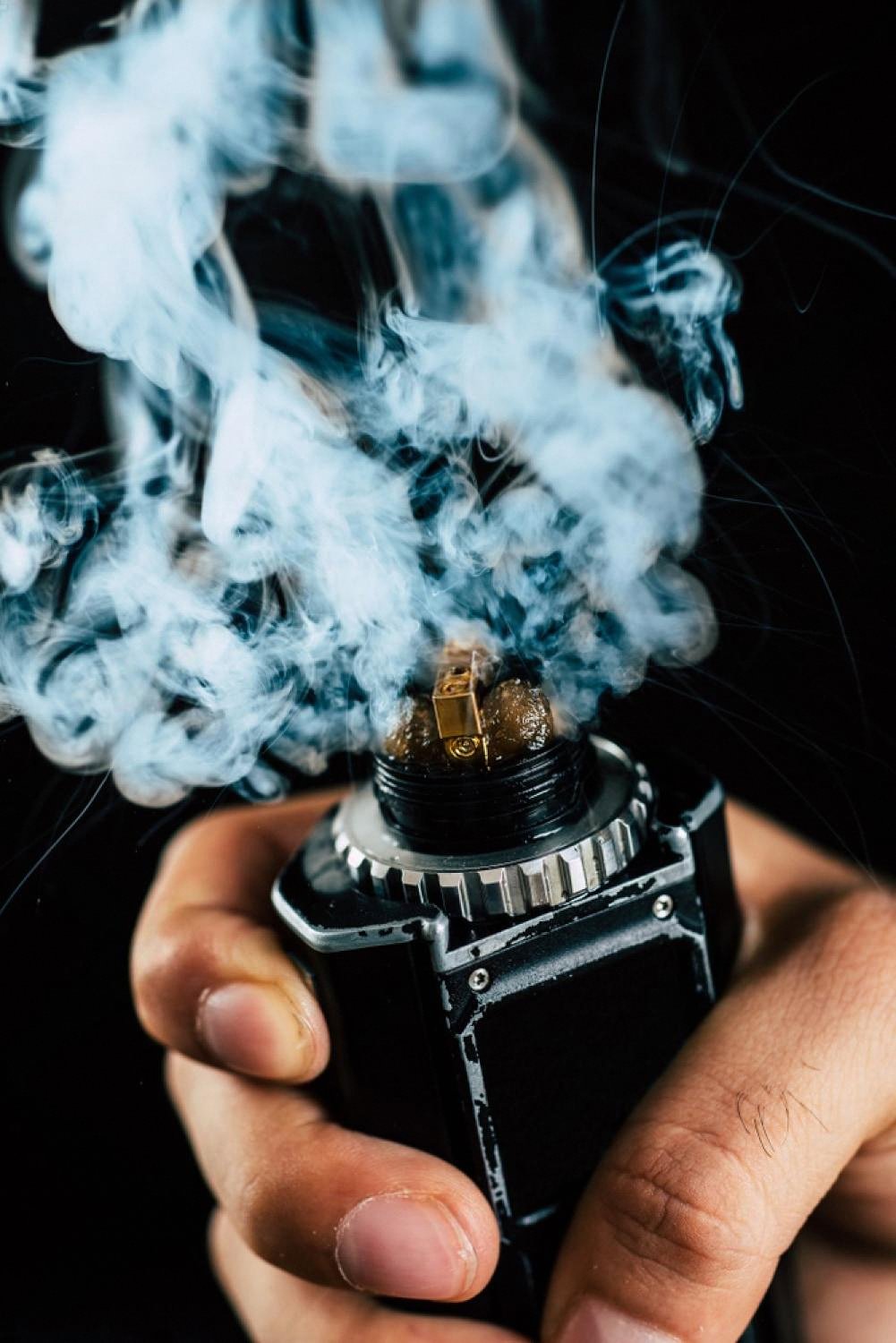
Vapour production is a four-step chain, and each step is governed by heat. When you press the fire button, current flows through the coil and its resistance converts electrical energy into thermal energy. According to Joule heating the power dissipated depends on both current and resistance, which is why a 0.2 ohm coil at 60 W behaves very differently from a 1.2 ohm coil at 12 W.
- Coil heating. The wire reaches somewhere between 200 and 350 degrees Celsius in a fraction of a second.
- Liquid vaporisation. E-liquid wicked into the coil crosses its boiling point and shifts from a liquid to a gas phase.
- Aerosol formation. The hot gas mixes with cooler incoming air and condenses into microscopic droplets, forming an aerosol.
- Condensation. As the aerosol cools further in the drip tip and the mouth, droplets merge into the visible white cloud you exhale.
If any of these steps runs too hot or too cold, flavour, throat feel, and cloud density all shift. That is where the PG versus VG comparison starts to matter.
PG vs VG: the core comparison
Almost every bottle you find at a UAE liquid shop lists a ratio like 50/50, 60/40, or 70/30. That number is the balance between propylene glycol (PG) and vegetable glycerin (VG), the two base fluids that carry nicotine and flavour. Their physical properties are very different, and that difference is exactly what you are choosing between.
High-PG blends (50/50 or higher PG)
- Lower boiling point, around 188 degrees Celsius, so vaporises quickly at modest wattages.
- Thinner viscosity, wicks fast, ideal for small pod devices and MTL coils.
- Carries flavour molecules more efficiently, so notes read sharper and cleaner.
- Produces a firmer throat hit, closer to the sensation of a traditional cigarette.
- Runs well at 10 to 25 W, gentler on batteries and coils.
High-VG blends (70/30 VG or higher)
- Higher boiling point, around 290 degrees Celsius, needs more power to fully vaporise.
- Thick and syrupy, needs larger wick channels or it will dry-burn.
- Produces dense, heavy clouds because glycerin aerosol droplets are larger.
- Softer, sweeter mouthfeel and a smoother throat sensation.
- Best on sub-ohm coils at 40 to 80 W with plenty of airflow.
Neither column is objectively better. They are engineered for different draw styles. Boiling behaviour, viscosity, and vapour density all follow from those two numbers, and picking correctly saves you burnt wicks and disappointing flavour.
When to pick a high-PG setup
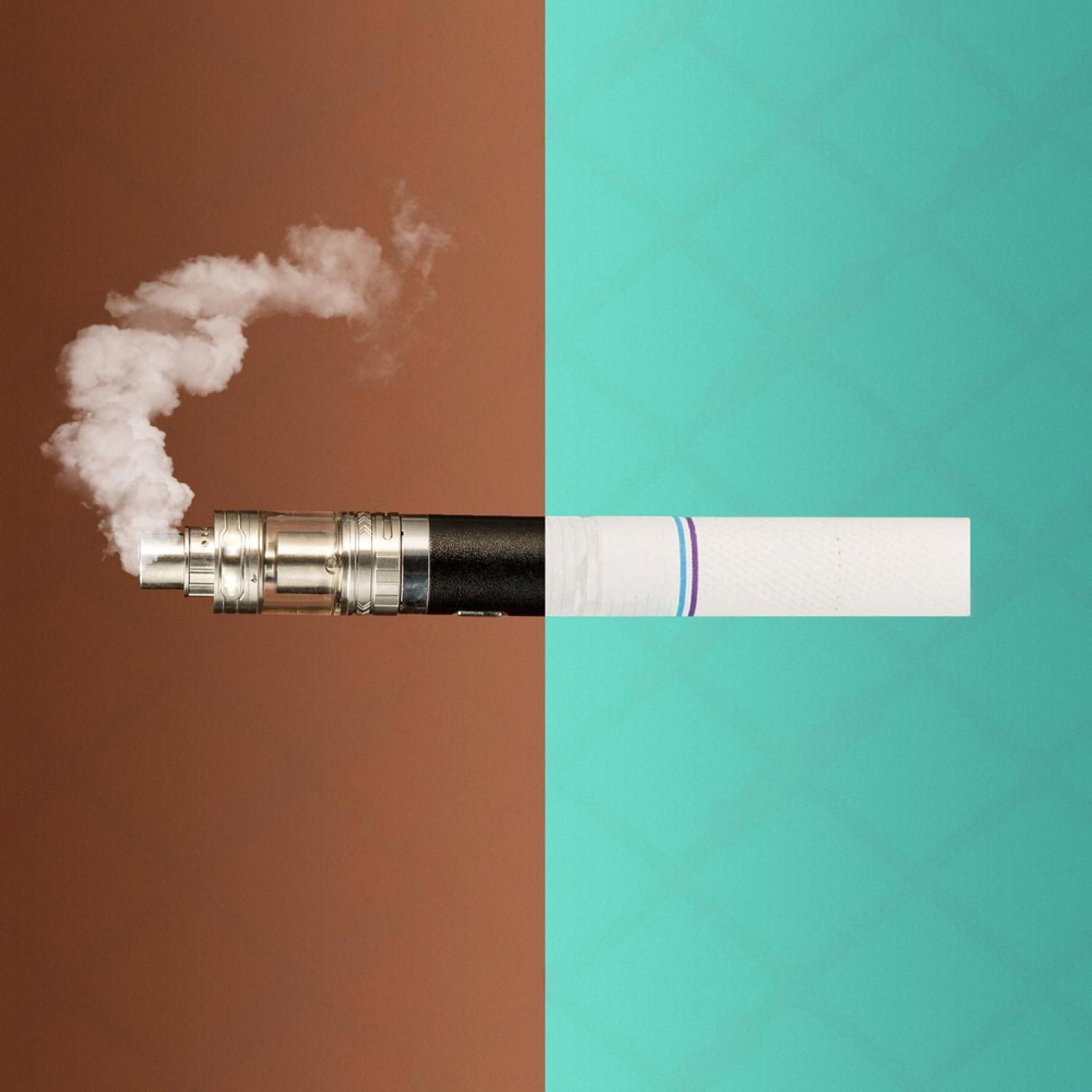
If you recently moved away from combustible cigarettes, a high-PG blend in a compact pod or MTL tank is usually the right starting point. The lower boiling point means the coil does not have to work as hard, so battery life is longer and coils tend to last more days between changes. That matters in Dubai and Abu Dhabi summers, where indoor air-conditioning is cold but outdoor humidity can drop below 20 percent, drying out wicks faster than you might expect.
High PG also carries flavour with more precision. Bright citrus, mint, and tobacco blends all sing on 50/50 liquid because PG’s small molecule size releases aromatic compounds cleanly at lower temperatures. Sweetness is perceived as focused rather than syrupy, and the throat hit gives smokers the familiar tactile signal they miss when they first switch.
The trade-off is cloud size. If you want the dense plumes you see in vape competitions, a 50/50 in a 1.0 ohm coil will always look modest. That is a feature, not a fault, discreet vapour is exactly what most everyday users want indoors or in shared spaces.
When to pick a high-VG setup
High-VG blends are built for direct-lung sub-ohm devices. You are pushing more power through a lower-resistance coil, so the temperature at the wire climbs higher and the airflow around the coil has to be generous. This is where wattage, coil resistance, and airflow become a tightly linked engineering problem, not just a preference.
Get the balance right and 70/30 or 80/20 blends produce huge, soft clouds with a sweetened, rounded flavour profile. Dessert, custard, and fruit-cream recipes benefit most, because VG’s higher viscosity holds heavier flavour molecules that PG cannot carry as gracefully. Heat distribution across a mesh coil is also more even than on a single round wire, which is why mesh has taken over the sub-ohm category.
The cost is consumables. VG-heavy liquid caramelises on coils faster, especially with sweetened recipes, and coil life on a hard-used sub-ohm tank can be as short as three to five days. You will refill more often and change coils more often, so plan the budget accordingly when you shop.
If you cannot describe your ideal draw in one sentence, start at 50/50 in a small pod. Move to high-VG only when you know exactly which flavour and which cloud size you are chasing.
Temperature, flavour and coil longevity
Flavour perception is not linear with heat. Aroma compounds have their own boiling points, and each one becomes noticeable at a slightly different coil temperature. Push too low and top notes stay locked in the liquid. Push too high and you start cracking the glycerin itself into acrolein and other unwanted breakdown products, which taste burnt and irritate the throat.
Flavour intensity
Rises with wattage up to a peak, then drops sharply as the coil overheats and the wick chars.
Sweetness perception
Reads stronger on VG because glycerin is itself slightly sweet, and higher temperatures pull sucralose deeper into the aerosol.
Coil longevity
Halves for every step you push beyond a coil’s rated wattage. Stay inside the printed range for the best return on cost.
The engineering behind the cloud
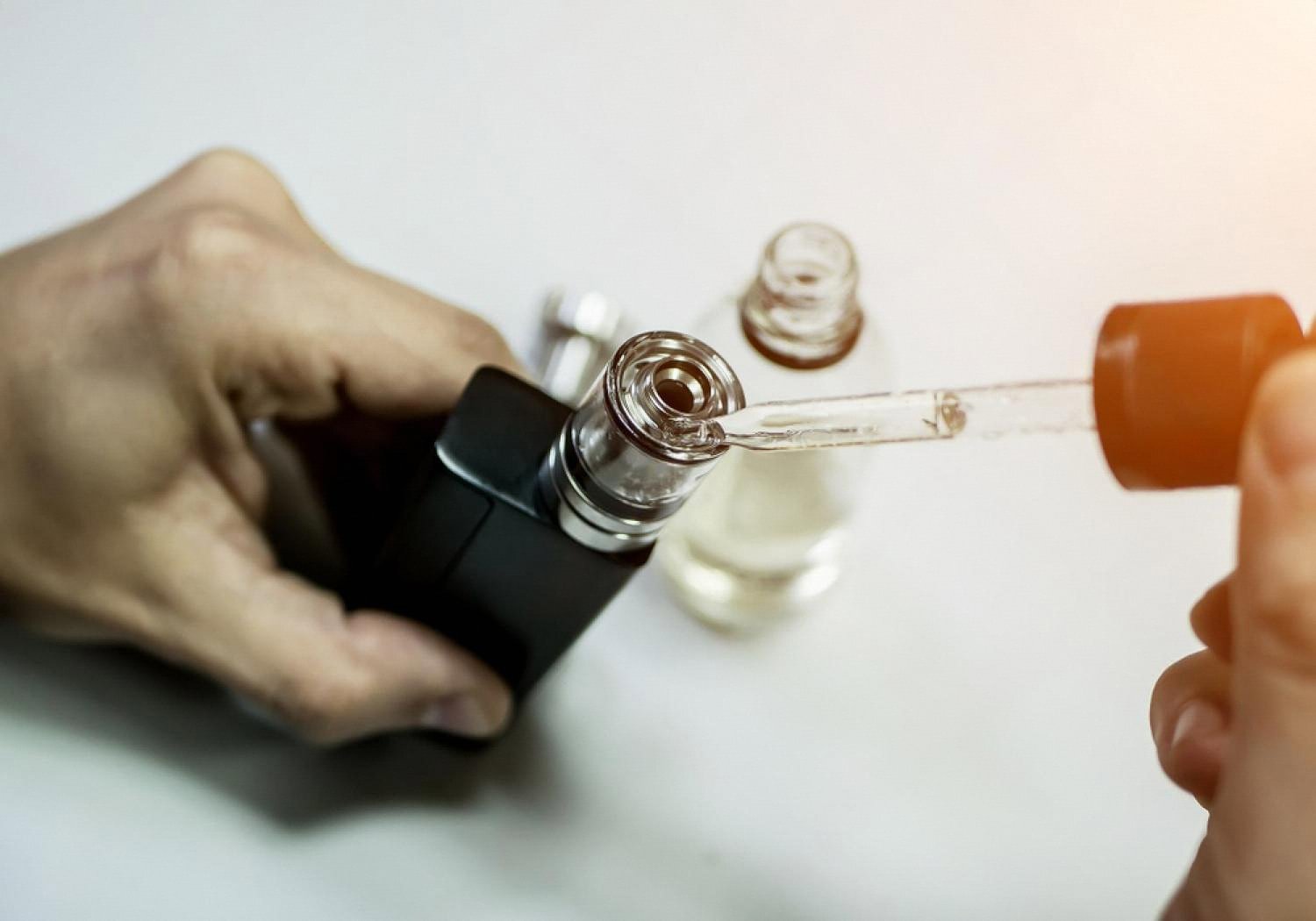
Four variables control how heat reaches your e-liquid: wattage, coil resistance, airflow, and heat distribution. Materials science research from journals such as aerosol science shows that particle size in the exhaled cloud is largely dictated by how quickly the vapour is quenched by incoming air. Open airflow gives smaller droplets and softer clouds. Restricted airflow gives larger droplets, denser visible plumes, and a warmer draw.
- Wattage sets how much energy per second reaches the wire. More watts means faster ramp-up and higher peak temperature.
- Coil resistance decides how that energy converts to heat. Lower resistance draws more current at the same voltage.
- Airflow controls both the cooling of the coil and the dilution of the aerosol.
- Heat distribution depends on wire geometry. Mesh spreads heat evenly, single round wire concentrates it, twisted or Clapton builds sit in between.
If any of this feels overwhelming, it is worth walking into a physical vape store in the UAE and letting the staff match a device to your preferred draw style. Trying two coils side by side in person teaches more than any spec sheet.
A quick research snapshot
Peer-reviewed thermal engineering work has measured coil surface temperatures using infrared cameras and micro-thermocouples, and consistently finds that keeping peak temperature below roughly 300 degrees Celsius keeps aldehyde formation low while still producing satisfying vapour. That is the practical target modern regulated mods aim for, and it is why temperature-control modes exist on higher-end devices. In short, controlled heating is not marketing, it is a measurable safety and quality lever.
Frequently asked questions
Why does my vape taste burnt even when the tank has liquid in it?
The most common cause is a wick that cannot keep up with the coil’s heat. Either the wattage is set above the coil’s rated range, or the liquid is too high in VG for the wick channel size, so it cannot rewet the cotton between puffs.
Drop the wattage by 5 to 10 W, wait a few seconds between draws, and if the taste persists, swap to a coil designed for higher-VG liquid or move to a 50/50 blend.
Does the UAE climate actually affect how e-liquid vaporises?
Yes, mildly. Very low indoor humidity from constant air-conditioning dries wicks faster, and high summer heat can slightly thin the liquid inside the tank, causing minor leaks in older seals. Store bottles out of direct sunlight and let a filled tank sit for a minute before the first puff so the wick fully saturates.
What PG/VG ratio is best for beginners?
A 50/50 blend in a small pod or MTL device is the safest starting point. It vaporises at lower wattages, delivers a familiar throat sensation for former smokers, and works reliably in almost any modern device without dry hits.
Once you know whether you want more flavour clarity or bigger clouds, you can move up or down the ratio scale.
How hot does a vape coil actually get?
Regulated devices at typical settings run the coil between roughly 200 and 300 degrees Celsius during a draw. Unregulated or heavily over-driven builds can climb higher, which is where burnt taste and unwanted breakdown products appear. Staying inside the manufacturer’s wattage range keeps you comfortably in the safe zone.
Why do high-VG liquids produce bigger clouds?
Vegetable glycerin has a higher boiling point and forms larger aerosol droplets when it condenses in cool air. Larger droplets scatter light more, so the cloud looks denser and hangs in the air longer. PG produces a finer, thinner aerosol that dissipates quickly.
Does higher wattage always mean better flavour?
No. Flavour intensity rises with wattage up to a peak, then falls sharply as the coil overheats. Every coil has a sweet spot printed on its side, and pushing past it dulls the top notes and shortens coil life. Start at the low end of the rated range and step up until the flavour peaks, then stop.
How often should I change my coil?
Between one and three weeks for most MTL coils, and three to seven days for hard-used sub-ohm coils running sweetened high-VG liquid. Signs it is time: a muted or burnt taste, reduced cloud, gurgling, or visibly darkened cotton when you inspect the coil.

“Everyone has to find what is right for them, and it is different for everyone. Eating for me is how you proclaim your beliefs three times a day. That is why all religions have rules about eating. Three times a day, I remind myself that I value life and do not want to cause pain to or kill other living beings. That is why I eat the way I do.” -Natalie Portman